Setting off on a journey with camera in hand transforms ordinary travel into a visual adventure. For those just starting out, the world of travel photography can feel overwhelming with technical jargon and endless equipment options. Yet the essence of capturing memorable images lies not in expensive gear or complex settings, but in understanding a few fundamental principles that can elevate your snapshots into compelling stories worth sharing.
Essential equipment and technical fundamentals
Choosing your camera kit without breaking the bank
One of the most liberating truths for aspiring travel photographers is that you needn't invest a fortune to begin capturing stunning images. Many professionals readily admit that even a smartphone can produce remarkable results when used thoughtfully. The best camera for travel is simply the one you have with you, whether that's an advanced mirrorless system or the latest mobile device. For those seeking dedicated equipment, bridge cameras Kodak offers present an excellent middle ground, providing substantial optical zoom capabilities without the bulk and expense of interchangeable lens systems. These versatile cameras typically feature zoom ranges extending from twenty-five times up to an impressive fifty-two times magnification, making them ideal for capturing distant subjects without lugging multiple lenses through airports and cobblestone streets.
When assembling your travel photography kit, prioritise essential accessories over accumulating gadgets. Spare batteries and memory cards prove invaluable when you're miles from the nearest shop, whilst a simple cleaning cloth protects your lens from the inevitable dust and fingerprints of travel. A lightweight tripod or flexible gorilla pod expands your creative possibilities, particularly in low light situations where stability becomes crucial. Consider investing in a polarising filter to enhance skies and reduce reflections, and perhaps a neutral density filter for experimenting with long exposures of rushing waterfalls or bustling marketplaces. Rather than packing every piece of gear you own, embrace the philosophy of travelling light with one camera and one versatile lens, allowing you to move freely and focus on the moments unfolding before you rather than fumbling through a heavy bag.
Mastering the Golden Hour and Natural Lighting
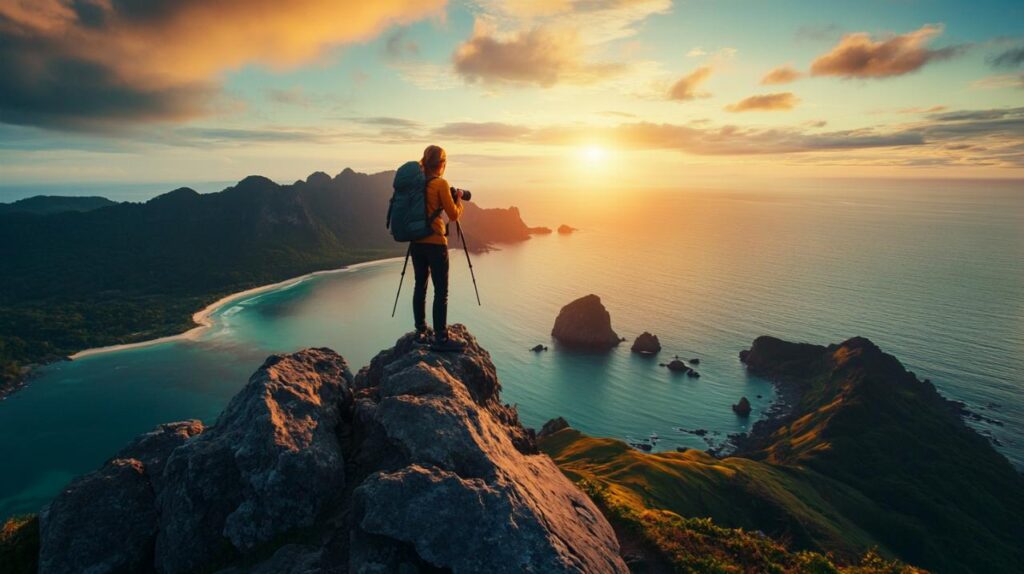
Understanding light represents perhaps the single most transformative element in developing your photographic eye. The camera interprets light differently than our remarkably adaptive human vision, which is why paying attention to the quality and direction of illumination can mean the difference between a flat, uninspiring image and one that captivates viewers. The revered golden hour, that magical period shortly after sunrise and before sunset, bathes landscapes and subjects in warm, soft light that flatters almost everything it touches. During these times, shadows lengthen and details gain dimension, creating depth that draws the eye naturally through the frame.
Equally enchanting is the blue hour, the brief window of twilight before dawn or after dusk when the sky takes on deep, saturated hues whilst city lights begin to twinkle. Learning to recognise and exploit these optimal lighting conditions will dramatically improve your travel photographs. However, not every moment of your journey will coincide with perfect light, so developing strategies for challenging conditions becomes equally important. When faced with harsh midday sun, consider converting images to black and white to emphasise shapes and contrasts rather than fighting against the unflattering light. Position your subject so the sun peeks from behind a building or person, stopping down your aperture to create captivating sunbursts. On overcast days, which many beginners mistakenly consider poor for photography, embrace the soft, even illumination that eliminates harsh shadows, but compose your frames to minimise dull grey skies that can deaden an otherwise lovely scene.
Composition techniques and visual storytelling
Understanding the Rule of Thirds and Framing Your Shots
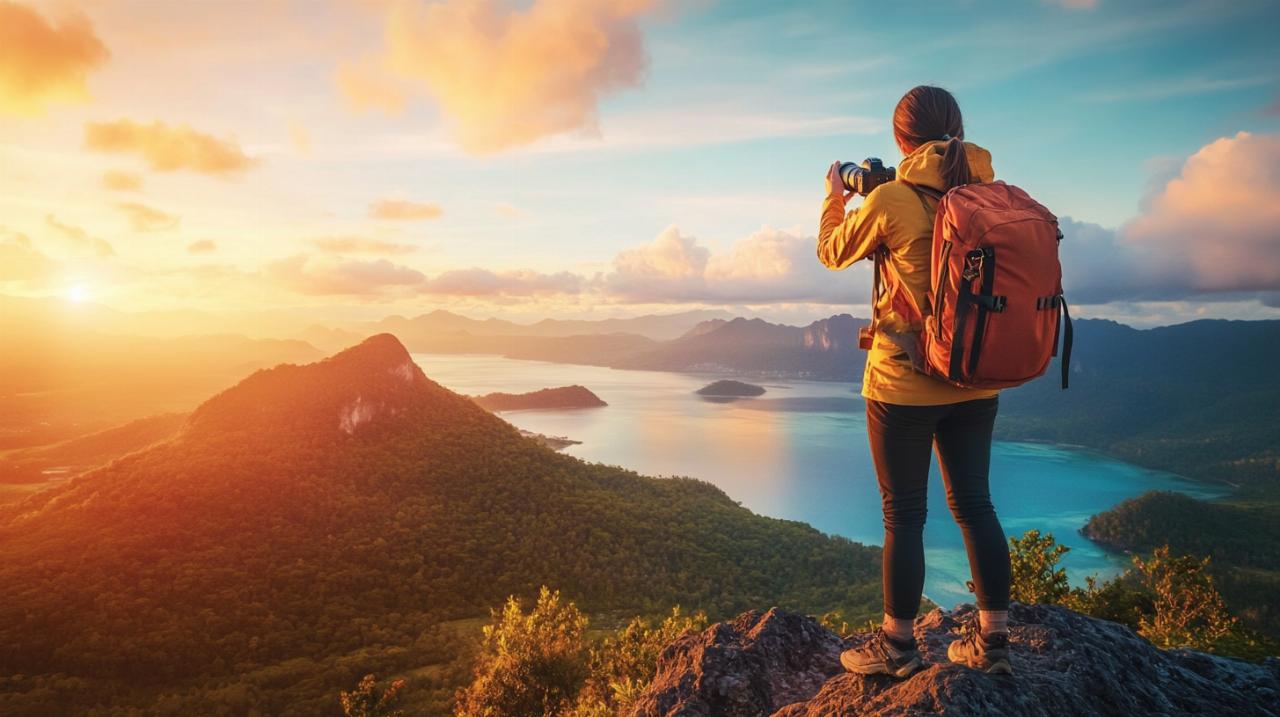
Composition transforms a simple record of a place into an engaging visual narrative. The rule of thirds provides an excellent starting framework, encouraging you to imagine your viewfinder divided into nine equal rectangles by two horizontal and two vertical lines. Positioning key elements along these lines or at their intersections typically creates more dynamic, balanced images than centring your subject. This approach guides the viewer's eye naturally through the frame and creates a sense of harmony that feels instinctively pleasing.
Beyond this foundational guideline, numerous compositional techniques await exploration. Leading lines, whether they're winding roads, ancient walls, or architectural elements, draw viewers deeper into your images and create a sense of journey within a single frame. Incorporating foreground interest adds layers to your photographs, establishing depth through distinct foreground, middle ground, and background elements that give viewers a sense of stepping into the scene. Seek out natural frames such as doorways, windows, or overhanging branches that direct attention to your main subject whilst adding context and dimension. Reflections in puddles, windows, or calm water offer opportunities for creative compositions that transform ordinary scenes into something rather special. Remember that getting physically closer to your subject eliminates distracting elements and creates intimacy, whilst varying your camera level by shooting from high vantage points or crouching low provides fresh perspectives that separate your work from typical eye-level snapshots.
Capturing authentic moments beyond tourist landmarks
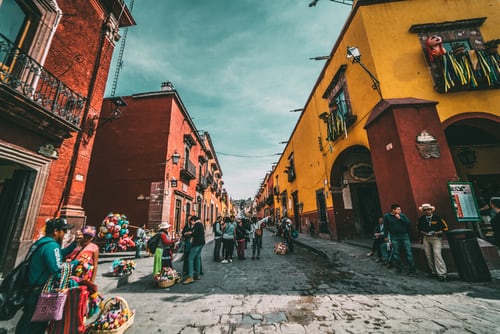
The most memorable travel photographs often emerge not from famous landmarks, but from the unguarded moments and subtle details that reveal the true character of a place. Whilst iconic sites certainly deserve attention, challenge yourself to look beyond the postcard views that countless others have captured. Wander through local markets where vendors arrange their colourful produce, explore residential neighbourhoods where daily life unfolds unhurried, or spend time in neighbourhood cafes observing the rhythms of local culture. Downtown shopping areas, waterfront promenades, and even shopping centres provide rich opportunities to document how people actually live rather than how tourist brochures present their destinations.
Developing an awareness of cultural sensitivities proves essential when photographing people during your travels. Always seek permission before photographing individuals, particularly in communities where camera-wielding tourists might feel intrusive. A genuine smile and respectful gesture often transcend language barriers and can transform a potentially awkward encounter into a meaningful connection. Some photographers recommend connecting with local photography enthusiasts who can provide insider perspectives on both locations and cultural considerations. Before pressing the shutter, pause to ask yourself what specifically attracts you to the scene, what story you hope to tell, and how your composition might best convey that narrative. This mindful approach prevents the spray and pray mentality of shooting hundreds of mediocre images in hopes that one might work, instead cultivating intentionality that yields a higher proportion of keeper photographs. Accept that knowing when to lower your camera and simply experience a moment can prove as valuable as any image you might capture, for travel photography should enhance rather than overshadow the adventure itself.